
DIY Chicken Coop Plans
for the Flock You Love
From $9. Instant PDF download.
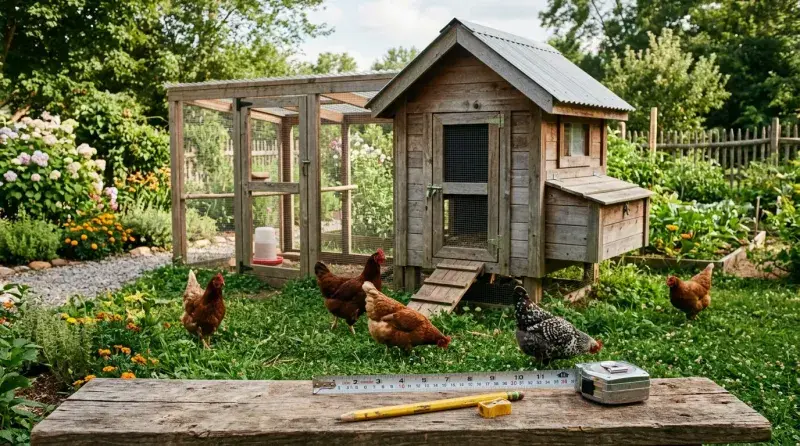
Small-Flock Coop Plans — 4 to 6 Hens (PDF)
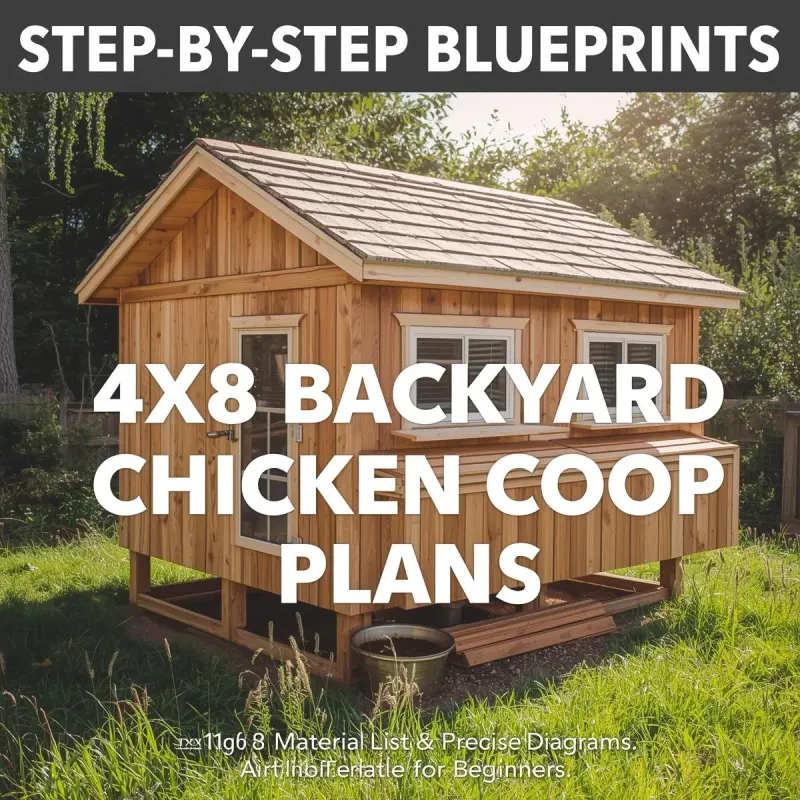
4x8 Coop Plans with Cut & Material List
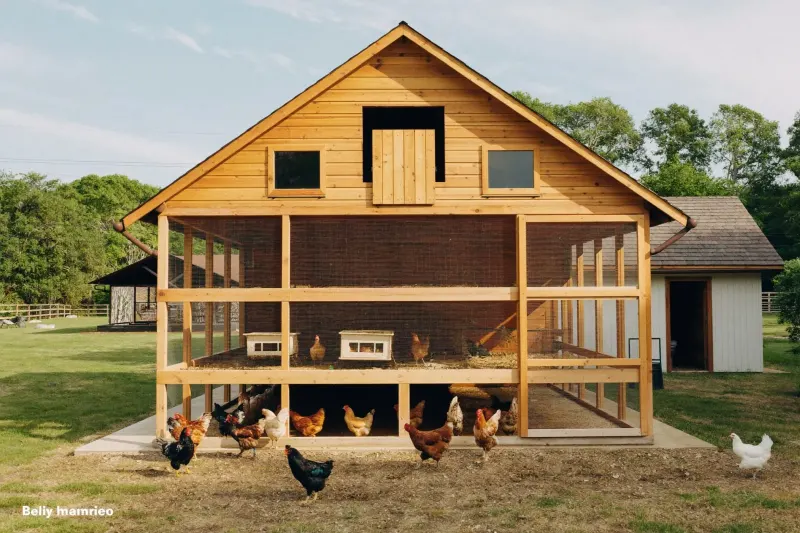
8x10 Walk-In Coop Plans — 15 to 20 Chickens
Complete Plans Bundle — 5 PDF Blueprints + Bonus Guides
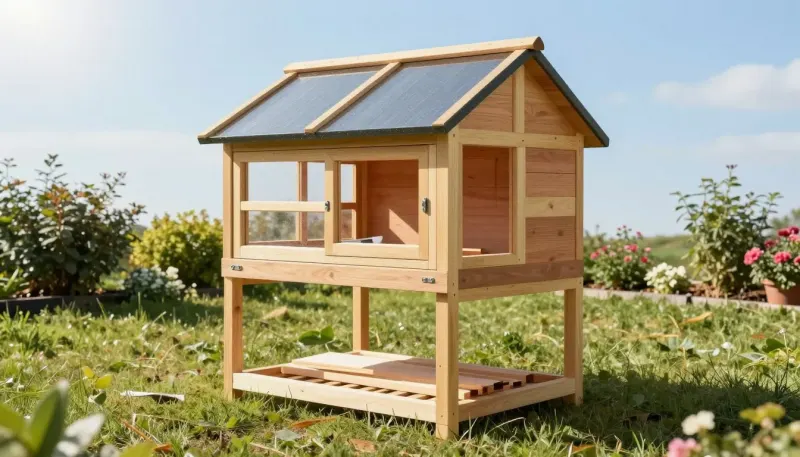
Free 4x6 Coop Starter Blueprint — PDF Download
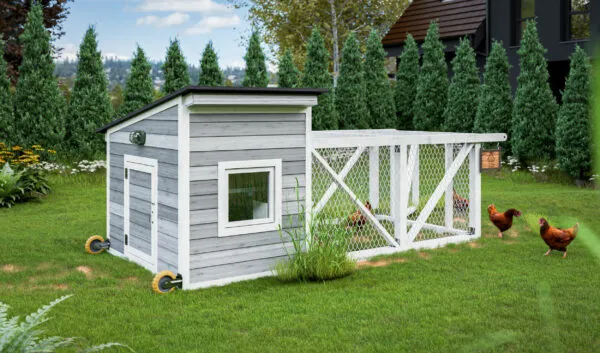
Mobile Chicken Tractor Plans — Portable Coop
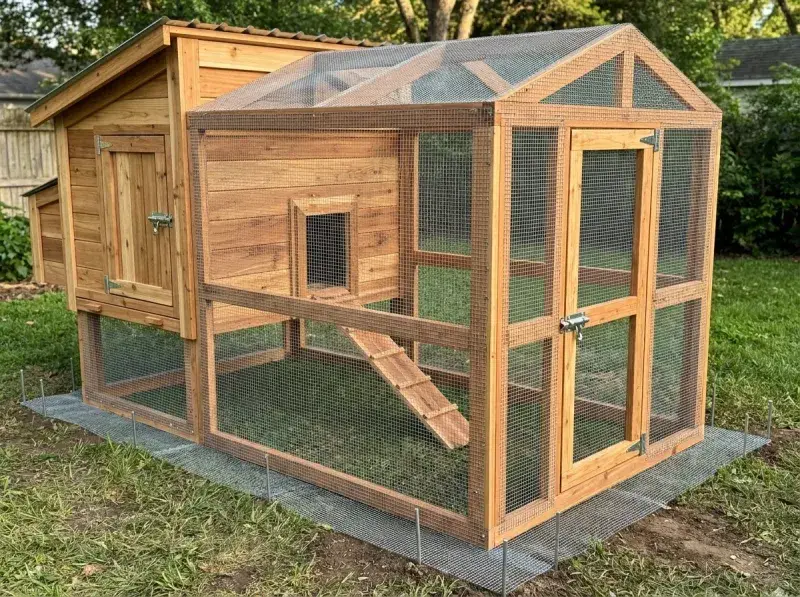
Predator-Proof Coop Retrofit Kit — PDF Plan

Quality Worth Comparing
Pre-built coop companies sell similar-looking designs at 10× the cost, with thinner wood and fewer predator-proofing details. With our plans and local lumber, you build something stronger.
Built With You in Mind
Each plan is thoughtfully designed for first-time and experienced builders alike
Trusted by Backyard Chicken Communities
Our plans and building guides are recommended across chicken keeping forums, homesteading blogs, and backyard flock communities throughout North America.


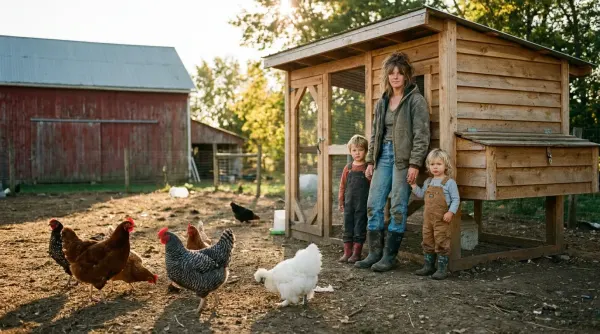


Getting Your Plans
No shipping, no waiting, no assembly from a box. Purchase your plan, download the PDF instantly, and head to the lumber yard. Most builders finish their coop in a single weekend.

Expert-Designed Plans
Every CoopCraftsPro plan is designed by experienced builders who raise their own flocks. We specify exact lumber dimensions, hardware cloth gauges, latch types, and ventilation placement — details that generic plans skip.
Our plans include isometric views, exploded diagrams, and complete hardware lists so you can walk into any lumber yard with confidence.
View Our Plans
About CoopCraftsPro
We're real builders who love chickens, nature, and the DIY spirit. CoopCraftsPro started because we got tired of seeing backyard chicken keepers overpay for flimsy pre-built coops — or struggle through vague YouTube tutorials.
Every plan is tested in real backyards across North America before publishing, so you get blueprints that work in Minnesota winters and Texas summers alike.
About CoopCraftsProCan't Get Enough?
Follow Us on Pinterest


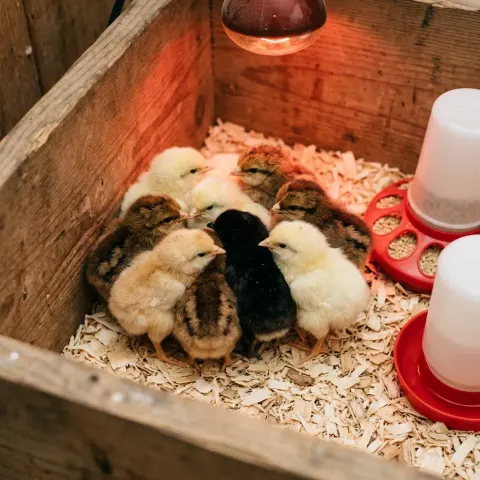
Everything You Need to Know About Chicken Coops
Building your own chicken coop is one of the most practical projects a backyard keeper can tackle. A well-designed hen house keeps your flock safe from predators, protects them from weather extremes, and gives you fresh eggs every morning — all for a fraction of what a pre-built chicken shelter costs.
The first decision is size. Every chicken needs a minimum of 4 square feet of indoor coop space and 10 square feet of outdoor run space. A small flock of 4 hens fits comfortably in a 4×4-foot coop with a 4×10 run, while 10 birds need at least a 4×10 coop and 100 square feet of run. Undersizing leads to feather-pecking, disease, and lower egg production — problems that cost far more to fix than the extra lumber costs to prevent.
Materials matter more than most plans tell you. Pressure-treated lumber for ground contact, untreated pine or cedar for walls, and ½-inch hardware cloth (never chicken wire, which raccoons tear through in seconds) are the non-negotiables. For flooring, you have options ranging from bare earth to vinyl-coated plywood — each with trade-offs in cost, cleaning ease, and predator resistance.
Predator-proofing is where DIY coop plans earn their real value. The details that stop raccoons, foxes, weasels, and hawks include two-step latches on every door, a 24-inch buried dig apron around the perimeter, and sealed gaps no larger than 1 inch. These specs cost roughly $47 in hardware to add to any coop — a small price for the peace of mind.
Ventilation is the most overlooked element. Moisture from droppings and respiration causes frostbite in winter and heat stress in summer. Proper vents near the roofline — not at roost height — exchange stale air without creating drafts on sleeping birds. Getting this right is the difference between a healthy flock and chronic respiratory problems.
Whether you are building your first DIY chicken coop from scratch or upgrading an existing setup, the guides below cover every detail — from choosing the right coop plans to selecting lumber, sizing your run, and installing predator-proof hardware.
Start Here: Popular Guides
In-depth articles to help you plan, build, and protect your coop
By Flock Size
Build & Materials
Protection & Safety
Chicken Coop FAQ
What size chicken coop do I need?
Plan for a minimum of 4 square feet of indoor coop space and 10 square feet of outdoor run space per hen. A typical backyard flock of 4–6 hens needs a coop around 4×6 feet with a 6×10-foot run. Undersizing causes stress, feather-pecking, and reduced egg production, so always size up if you are unsure. Use our coop size calculator to get exact dimensions for your flock.
How much does it cost to build a chicken coop?
A DIY chicken coop costs between $150 and $1,200 in materials depending on size and features. A small coop for 3–4 hens runs $150–$300, while a medium 4×8 coop for 6–8 hens costs $300–$550. That is 40–60% less than a comparable pre-built coop. See our full chicken coop cost breakdown for current lumber prices.
What is the best wood for a chicken coop?
Use pressure-treated lumber for any ground-contact framing (floor joists, skids) and untreated pine or cedar for walls, roosts, and nesting boxes. Cedar naturally resists rot and insects but costs more. Avoid plywood thinner than ½ inch for walls, and never use treated wood where chickens roost or eat — the chemicals are not safe for direct contact. Our wood guide has complete lumber lists by coop size.
How do I predator-proof a chicken coop?
Cover every opening with ½-inch hardware cloth (never chicken wire, which raccoons tear through), install a 24-inch outward-facing dig apron buried 4 inches deep around the perimeter, replace all hook-and-eye latches with two-step predator-proof locks, and seal every gap larger than 1 inch. This combination stops 95% of attacks and costs about $47 in hardware. Read the full predator-proofing guide with exact hardware specs.
Can I build a chicken coop myself with no experience?
Yes. Most of our builders are first-timers who have never done a woodworking project. Our plans include exact cut lists, complete material lists, and step-by-step diagrams — you just need a circular saw, a drill, and a tape measure. A small 4×4 coop typically takes one weekend to build. Start with our 12 things to know before your first build for practical tips.
How many chickens should a beginner start with?
Start with 3–4 hens. That is enough to produce 12–18 eggs per week for a family of four, while keeping the coop small (a 4×4-foot coop handles this flock easily) and manageable while you learn. Chickens are social animals and need at least 3 companions, but more than 6 birds for a first-timer can be overwhelming. See our breed guide to pick the right hens for your climate and goals.
Join the Flock — Get a Free Coop Plan
Subscribe and get our free 4×6 chicken coop PDF plan instantly. Plus building tips, seasonal coop care guides, and early access to new plans. No spam.